
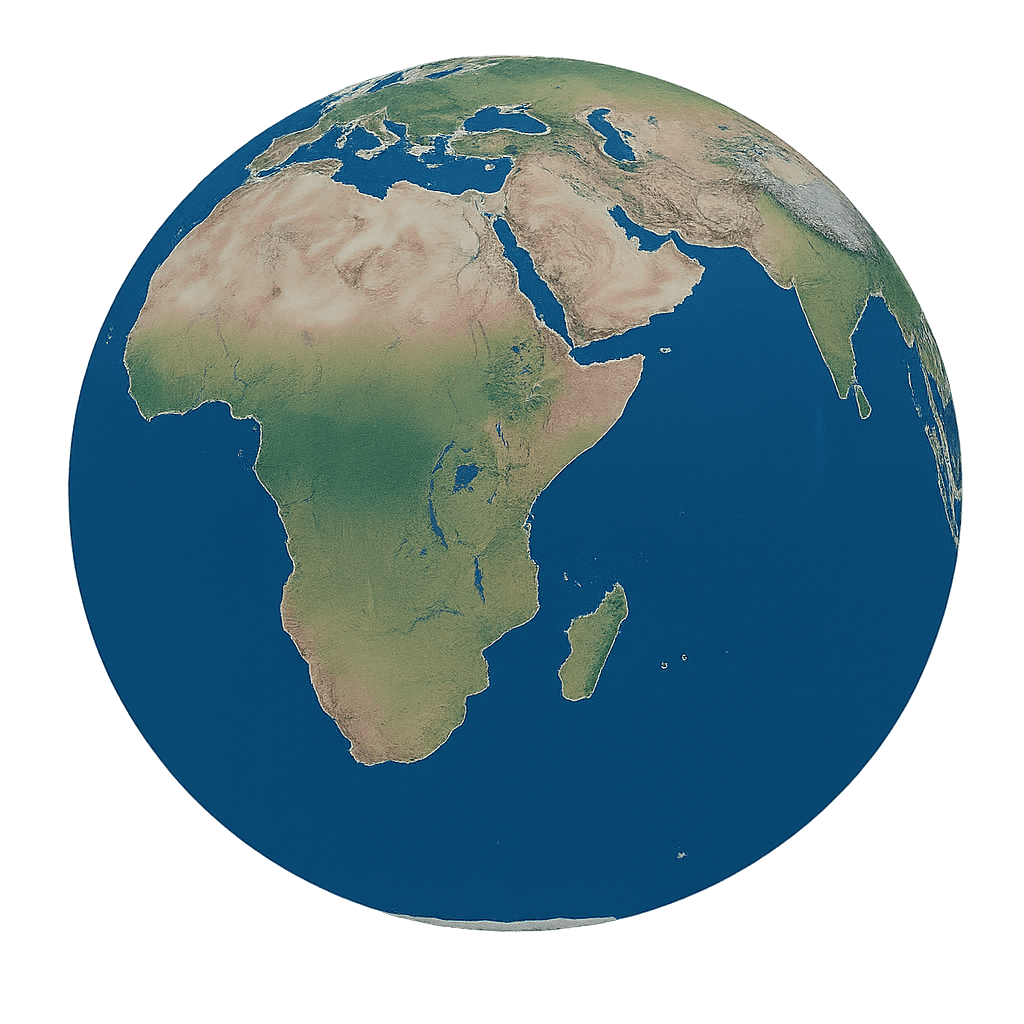
Climate and Conflict: UN agencies warned that Sudanese civilians face rising hunger and El Niño-related climate shocks alongside escalating violence. More than 1,200 people were displaced in Blue Nile state in one day, while over 12,400 have fled since late September. Food and Farming: Hailstorms destroyed 3,750 farms in South Darfur, and Sudan’s harvest is at risk—deepening concerns over food supplies. Health Risks: Reports warn that war and rainfall are converging to fuel an epidemic crisis, with cholera a major concern. Nile Basin: An Ethiopian diplomat said the GERD could help regulate floods and support climate resilience downstream, including in Sudan, though shared water management remains a regional concern.
AGP Executive Report
Your go-to archive of top headlines, summarized for quick and easy reading.
Note: AI summary from news headlines; neutral sources weighted more to help reduce bias in the result. Feedback is welcome. Please let us know if you have any comments or suggestions about the AGP Executive Report.
Climate and Conflict: The UN warns that violence, hunger and El Niño-related climate shocks are compounding Sudan’s crisis. More than 1,200 people fled villages in Blue Nile state this week, bringing displacement there to over 12,400 since late September. In East Darfur, more than 22,000 people face severe needs. Disease Risks: Heavy rains and standing water are fueling dengue and malaria in Blue Nile, where local volunteers report more than 6,000 dengue cases amid medicine shortages and strained health services. Farm Losses: Hailstorms destroyed 3,750 farms in South Darfur, adding to pressure on food production.
Rain-Linked Disease: Dengue cases in Damazin and Roseires have reportedly topped 6,000 as seasonal rain leaves standing water, while medicine shortages and strained health services hamper the response. Farm Losses: Hailstorms destroyed 3,750 farms in South Darfur, adding to concerns over Sudan’s harvest and food production. Climate Watch: Forecasts of a powerful El Niño raise wider concerns about extreme heat and weather, as Sudan faces mounting pressure on farms and already weakened services.
Rain and Disease: Dengue cases in Sudan’s Blue Nile cities of Damazin and Roseires have topped 6,000, as seasonal rains leave standing water, medicines run short and strained health facilities struggle to cope. Food at Risk: Hailstorms have damaged 3,750 farms in South Darfur, while Sudan’s harvest faces wider threats. FAO is urging urgent support for seeds, livestock and water to protect food production and livelihoods across the region. Extreme Weather: Forecasters warn the 2026–27 El Niño could bring heavier rain and flash floods to the Greater Horn of Africa, raising risks of water-borne disease and disruption to schooling.

Rain, disease and health: Dengue cases in Damazin and Roseires have reportedly topped 6,000 as seasonal rains leave standing water, while medicine shortages and strained clinics hamper response. Sudan’s 2024–25 cholera outbreak caused more than 124,000 cases and 3,500 deaths, with conflict damage to water systems worsening the crisis. Farms and food: Hailstorms destroyed 3,750 farms in South Darfur, and Sudan’s harvest is at risk as war disrupts production. FAO is urging urgent support for seeds, livestock and water to protect food supplies and livelihoods. Extreme-weather outlook: UNICEF warns El Niño could bring wetter conditions to the Greater Horn from October to December, increasing flood and waterborne disease risks. Aid access: An airstrike on two marked WFP trucks in South Kordofan killed a driver, threatening food deliveries to people in need.
Aid Under Fire: The World Food Programme condemned an aerial attack on two clearly marked aid trucks in South Kordofan that killed a driver and damaged food supplies, coming just a day after another WFP truck hit an explosive device in Dilling—highlighting how Sudan’s security crisis is choking humanitarian delivery. Red Sea Governance: Egypt, Sudan, Eritrea and Somalia issued the El Alamein Joint Declaration, saying Red Sea governance is the exclusive responsibility of littoral states while reaffirming freedom of navigation and rejecting parallel entities and support for mercenaries—an effort to tighten regional control as tensions with Ethiopia rise. Cholera Warning: A medical account revisits Sudan’s deadly cholera outbreaks, arguing many deaths were preventable as war pushed disease along conflict routes and into displacement conditions, with attacks on water infrastructure worsening outbreaks. Food Security at Risk: Sudan’s harvest season is under pressure as nearly 29 million people face acute food insecurity; attacks on farmland, roads, markets and water systems, plus erratic rainfall and drought concerns, threaten yields and access to food. Climate Extremes: New UNICEF fast facts warn El Niño conditions could bring unusually wet or dry weather across the world, with the Greater Horn of Africa facing flash-flood risks and water-borne disease spread that could disrupt schooling.
Humanitarian Access & Security: WFP condemned an aerial attack on two clearly marked aid trucks in South Kordofan that killed a driver while the vehicles carried food between Dilling and Kadugli, calling for a prompt investigation and warning the security situation is making life-saving deliveries increasingly dangerous. Food Security: Sudan’s harvest season is under threat as nearly 29 million people already face acute food insecurity, with attacks on farms, roads, markets, water systems and power, plus drought worries and rising costs, heightening the risk of famine and disease. Regional Water & Sovereignty: Egypt, Sudan, Eritrea and Somalia reaffirmed Sudan’s unity and sovereignty and backed a Sudanese-led political process, while also stressing Red Sea navigation and Nile “no harm” principles and rejecting unilateral measures. Red Sea Flashpoint: The Bab el-Mandeb strait remains a key global trade choke point as Yemen fighting around the area continues, raising risks for shipping and supply chains. Health & Environment Link: A study on hematological reference intervals for healthy pregnant women in Eastern Sudan highlights how pregnancy changes blood counts—important for avoiding misdiagnosis in maternal care during crises.
Food Security in Sudan: The Sudan Food Security and Livelihoods cluster warns nearly 29 million people are already acutely food insecure, with harvest season raising fears that failed yields could trigger starvation, disease, and more violence as roads, markets, water systems and power supplies keep getting hit. Humanitarian Access Under Fire: WFP says a driver was killed in an attack on aid trucks carrying food commodities between Dilling and Kadugli, calling for an impartial investigation and safe, unimpeded delivery amid a worsening security environment. Conflict Impacts on Children: Amnesty International reports children in North Darfur are being recruited by the RSF, subjected to sexual violence, and left facing starvation and years without education. Water and Climate Pressure: Regional diplomacy keeps circling the Nile and Red Sea as Ethiopia’s dam and water claims intensify, while climate-linked drought risks loom over livelihoods. Mining Safety and War Risks: A gold mine collapse in West Kordofan left dozens dead or missing, with survivors alleging RSF refusal to help trapped miners.
Humanitarian Safety in Sudan: The UN World Food Programme condemned an aerial attack that killed a driver and hit two contracted trucks carrying WFP food commodities in South Kordofan, with the cargo damage and circumstances still under review; WFP said the vehicles were clearly marked and urged a prompt, impartial investigation and accountability. Climate and Food Risk: A new report warns a “super El Niño” could drive extreme heat worldwide, projecting up to 451,000 excess heat deaths, with Sudan listed among countries facing high heat-related fatalities—raising alarms for health systems and food security. Extreme Weather Hits Farms: Hailstorms in South Darfur’s Daous area destroyed at least 3,750 farms, prompting local authorities to form a committee to assess losses and plan compensation support. Regional Water and Red Sea Politics: At Egypt’s Alamein gatherings, leaders including Sudan’s Transitional Sovereignty Council Chairman Gen. Abdel Fattah al-Burhan reaffirmed joint positions on Red Sea navigation and sovereignty and stressed cooperation on transboundary rivers like the Nile, rejecting unilateral actions that harm downstream water uses. Child Rights Under War: Amnesty International reported that children in North Darfur have been recruited by the RSF, subjected to sexual violence, and left facing starvation and years without education.
Child Protection in Conflict: Amnesty says RSF-linked groups in North Darfur have recruited boys, abducted older youths, and subjected children to sexual violence, while many face starvation and years without education. Mining Safety & Accountability: Survivors of Sudan’s Al-Zaraa gold mine collapse in West Kordofan say RSF forces refused rescue help as at least 82 died. Humanitarian Access Under Fire: WFP condemned an air strike on marked food trucks in South Kordofan that killed one driver, warning aid deliveries are increasingly unsafe. Extreme Weather Impacts: Hailstorms in South Darfur’s Daous area destroyed at least 3,750 farms, with local authorities forming a committee to assess losses and compensation needs. Regional Water & Sovereignty Talks: Egypt, Sudan, Eritrea and Somalia issued the Alamein Joint Declaration, stressing Red Sea governance by littoral states and rejecting unilateral actions affecting Nile water uses. Climate Risk for Sudan: New projections tied to a super El Niño warn Sudan could face major heat-related death burdens, underscoring the need for early heat warnings and health planning.
Humanitarian Access Under Fire: WFP condemned an aerial attack in South Kordofan that hit two contracted trucks carrying food commodities, killing one driver and raising calls for a prompt, impartial investigation and respect for international humanitarian law. Climate Risk for Sudan: A new report warns that El Niño plus ongoing global warming could drive extreme heat deaths globally, with Sudan listed among the hardest-hit countries and calls for early heat warnings, cooling and hydration centers, and stronger health response. Regional Water & Security Pressure: Egypt’s leadership at the Alamein Africa Forum pushed cooperation on transboundary rivers and natural resources, while broader Horn-of-Africa tensions—linked to Ethiopia-Eritrea conflict—continue to threaten stability that spills into Sudan’s crisis environment. Diplomacy in the Horn: The U.S. urged Ethiopia and Eritrea to exercise maximum restraint and return to dialogue as fighting in Tigray heightens fears of wider regional conflict.
Aviation & Trade: The African Union’s push for the Single African Air Transport Market is gaining momentum as airlines move toward free-route airspace, promising more direct intra-Africa flights and lower costs—though implementation still lags due to protectionism and high fuel/tax burdens. Northern Ethiopia–Sudan Link: Ethiopia’s federal forces reportedly entered Mekelle as Tigray fighters withdrew, while analysts warn the renewed conflict could spill into a wider regional security crisis that overlaps with Sudan’s war and Red Sea tensions. EU Sanctions on Sudan’s Gold: The EU’s July 2026 shift targets Sudan’s war economy by banning Sudanese gold imports and restricting mercury/cyanide exports used in extraction, but critics question whether sanctions can work when regional networks still profit. Diplomacy & De-escalation: The AU urged Ethiopia, Eritrea and Egypt to exercise maximum restraint amid embassy closures and diplomat expulsions, as the Horn’s diplomatic rupture raises the risk of escalation. Climate Risk for Sudan: A Super El Niño outlook projects major heat impacts across Africa, with Sudan among countries facing tens of thousands of additional heat-related deaths unless early-warning and cooling measures scale up.
Horn of Africa–Red Sea Security: A new analysis warns that fighting and diplomatic ruptures across Yemen, Ethiopia, Eritrea and Sudan are becoming tightly linked, raising risks for shipping lanes and regional stability. Diplomacy & Water: Egypt’s PM met Tanzania’s VP at the Alamein-Africa Forum to discuss port expansion, agriculture and health cooperation, while Nile water security remains a central flashpoint in the wider region. Sudan War Economy Sanctions: A report says the EU’s July 2026 sanctions targeting Sudan’s gold trade are a step toward hitting war financing, but may still fall short if regional networks keep the trade profitable. Ethiopia–Eritrea Break: Ethiopia ordered the closure of its embassy in Eritrea and expelled diplomats, with Eritrea severing ties—an escalation that could spill into wider conflict dynamics affecting Sudan’s border security. Climate Shock for Sudan: A Super El Niño projection flags major heat risks across Africa, including an estimated 17,000 additional heat-related deaths in Sudan, with calls for early warning and cooling support. Humanitarian Access: Another piece argues northern Ethiopia’s renewed fighting makes coordination between aid groups and the federal government crucial for safer, more disciplined assistance.
Climate Risk: A new Super El Niño forecast warns of major heat impacts across Africa, projecting about 17,000 additional heat-related deaths in Sudan and 66,000 across the Sahel by Feb 2027, with calls for early-warning systems, cooling centres, and protections for outdoor workers. Water & Conflict: Ethiopia says Egypt has blocked or obstructed more than 22 Nile projects, including the GERD, and has formed a national committee to assess losses and compensation claims—raising stakes in a region already strained by war. Regional Security Spillover: Analysts warn Ethiopia’s renewed fighting could expand into a wider Horn security space that also involves Sudan, with Egypt’s Nile-driven posture and support networks seen as central to the risk. Sudan Politics/Health: Sudan’s ex-leader Omar al-Bashir seeks permission to travel abroad for cardiac tests and imaging not available in Sudan, after health complications. Humanitarian Access: Northern Ethiopia’s renewed fighting highlights the need for clearer coordination between humanitarian groups and the federal government to deliver aid safely under conflict rules.
Sudan Health & Rights: Former Sudan leader Omar al-Bashir is seeking permission to travel abroad for specialised cardiac tests and imaging not available in Sudan, after health complications and a transfer to a military hospital in Omdurman. Climate Risk: A new Super El Niño outlook warns of major heat harm across Africa, projecting about 17,000 additional heat-related deaths in Sudan between September and February, alongside calls for early warnings, cooling centres, and protection for outdoor workers. Water & Environment Diplomacy: Ethiopia says it has set up a national committee to assess economic losses from Nile projects it claims were blocked by Egypt, including the GERD—an issue that can shape regional water security and downstream livelihoods. Regional Tensions With Environmental Stakes: The African Union urged Ethiopia, Eritrea and Egypt to exercise restraint amid escalating diplomatic expulsions, as Horn-of-Africa instability threatens stability and humanitarian conditions. Sudan Dialogue: Preparations for Sudan’s national dialogue move into broad consultations, a key step for any future governance that could also address environmental and water pressures.
Sudan Dialogue: Preparations for Sudan’s long-delayed Sudanese-Sudanese dialogue are moving from setup into broad consultations, with the hardest part now being persuading divided communities that talks can produce results beyond past failures. Regional Water Politics: Ethiopia says it has formed a national committee to assess economic losses from Nile projects “blocked or obstructed” by Egypt, citing more than 22 projects including the GERD—an issue that keeps feeding instability across the basin. Climate Risk for the Horn: A “super El Niño” outlook is driving renewed warnings of extreme heat and drought impacts across the region, with knock-on threats to food security and health. Food Security & Conflict: FAO is urging more support for Sudan as El Niño threatens regional harvests, while war continues to strain livelihoods and basic services. Humanitarian Funding Pressure: UNHCR warns a funding crisis could leave millions without aid, adding pressure to already fragile displacement and protection systems affecting Sudan and neighbors.
Sudan Dialogue: Sudan’s long-delayed national dialogue is moving from planning into broad consultations with parties, blocs, and community forces—an important shift because the hardest part now is persuading war-divided Sudanese that one table can still produce real outcomes. Nile Water Politics: Ethiopia says it has formed a national committee to assess economic losses from Nile projects “blocked or obstructed” by Egypt, citing more than 22 projects including the GERD, as it prepares compensation claims. Climate Shock for the Region: A “super El Niño” is projected to drive extreme heat and other weather disruptions, with studies warning of hundreds of thousands of excess heat deaths globally—an added threat to Sudan’s already fragile food and water security. Humanitarian Strain: UN-linked reporting highlights a funding crisis that could leave millions without aid, worsening conditions for displaced people across the region, including in Sudan. War and Water: Coverage notes Sudan’s water crisis deepening under war, drought, and even chemical weapons claims, piling more pressure on already strained communities.
Sudan Water Crisis: In North Darfur’s Ain Siro, drought and worsening shortages are pushing over 1,000 people to rely on a single exhausted well each day, as war and climate impacts shrink survival options. El Niño Food Pressure: FAO reports Sudan’s 2025 cereal output fell to about 5.2 million tonnes—22% below the prior year—while El Niño-linked heat and weather swings threaten food security across the region. Humanitarian Strain: Reporting also highlights how the war, water stress, and allegations of chemical weapons claims are deepening the humanitarian squeeze. Farm Support Policy: Nigeria’s agriculture ministry called for a shift from supply-driven extension services to demand-driven advisory support—an approach Sudan farmers may want to watch as a model for better, market-linked guidance. Displacement & Livelihoods: Young Sudanese displaced by fighting are turning to entrepreneurship to survive, showing how conflict is reshaping local economies and work options.
Water & Energy Reconstruction: Sudan’s water crisis is worsening as drought and war collide, with reports of over 1,000 people in North Darfur relying on a single exhausted well, while FAO warns El Niño could hit food security hard and urges more funding for staple crops, livestock health, and animal feed. Climate Risk: A “super El Niño” is being linked to extreme heat and major health impacts globally, with studies projecting hundreds of thousands of excess heat deaths—raising the stakes for Sudan’s already fragile health and water systems. Humanitarian Funding Pressure: UNHCR warns a severe funding shortfall could leave 8.3 million displaced people without essential help in 2026, including in Chad where Sudanese refugees are straining services. Regional Water Politics: Coverage also highlights how Nile Basin power struggles shape development choices upstream and downstream, a reminder that water security in the region is never just about rainfall.
Climate Risk for Sudan: Scientists warn this year’s record-setting “super El Niño” could intensify extreme heat and drought across Africa, with Sudan among countries facing rising heat-related deaths in the Sept 2026–Feb 2027 period. Water & Food Crisis: Sudan’s water crisis is worsening as war, drought, and reports of chemical weapons claims deepen humanitarian strain, while FAO urges more funding for staple crops, livestock health, and animal feed to protect food security. Darfur Water Stress: In North Darfur’s Ain Siro, over 1,000 people reportedly depend on a single exhausted well as drought arrives earlier and water shortages spike. UN Pressure on Sudan: At UNGA 81, the UAE called for an immediate humanitarian ceasefire and a civilian-led political process in Sudan, while UNHCR warned a funding shortfall could leave millions without essential aid, including in Sudan and neighboring Chad. Regional Conflict Spillover: Ethiopia’s Tigray peace deal is unraveling as fighting spreads, raising fears of wider regional instability that can further disrupt livelihoods and the environment.
Sign up for:
Sudan Environment Today
The daily local news briefing you can trust. Every day. Subscribe now.
Check Your Email!
We sent a one-time activation link to: .
Confirm it's you by clicking the email link.
If the email is not in your inbox, check spam or try again.
Welcome back!
is already signed up. Check your inbox for updates.